Nuclear lifetime extensions: lower prices today, higher prices tomorrow? Evidence from Spain
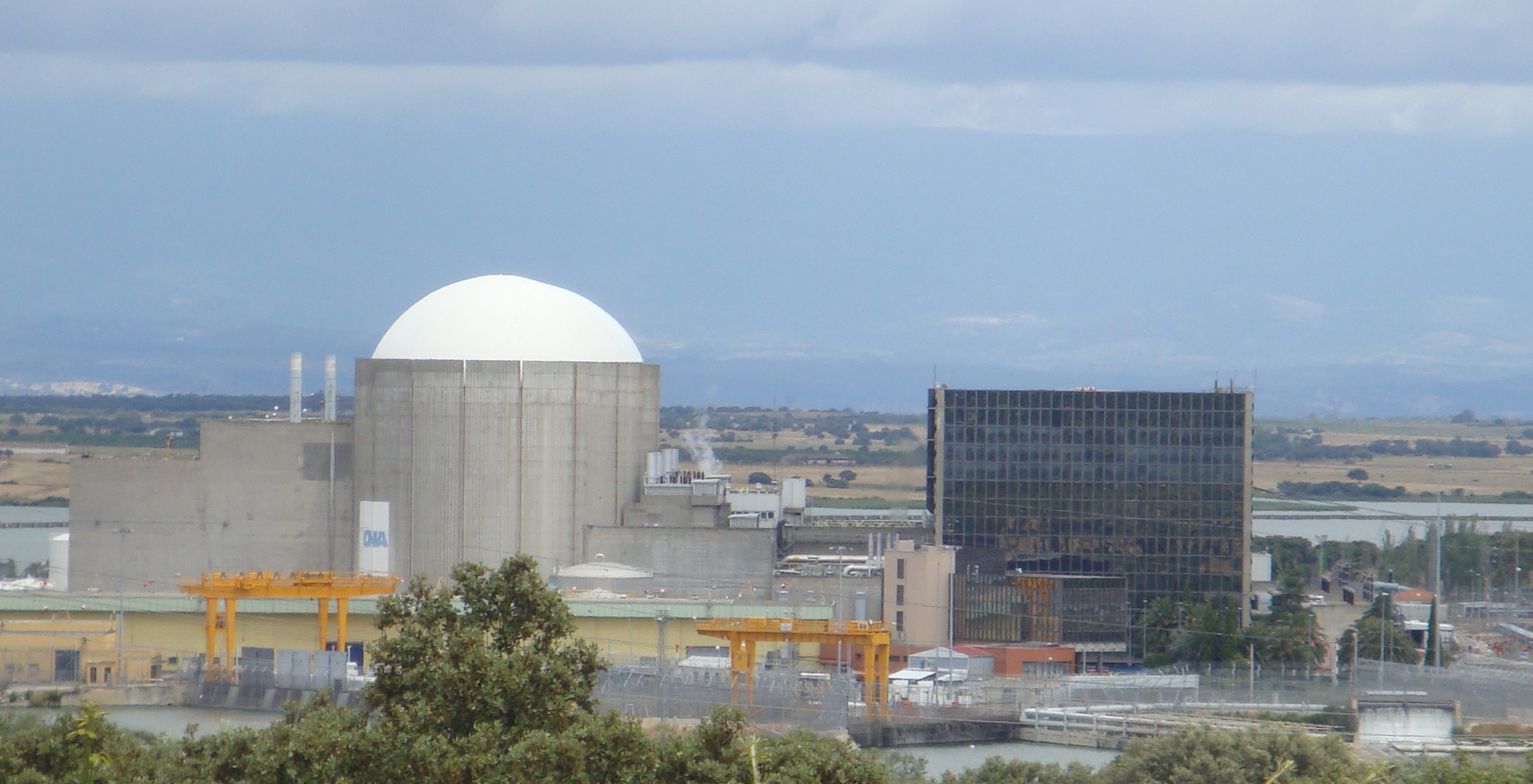
Spain’s nuclear phase-out starts with Almaraz (planned 2027). By late 2025, utilities signaled an intention to extend operation to 2030, reopening a heated debate: Would keeping nuclear online longer help the transition—or slow it down?
In a new EEL working paper (“The Price and Emissions Effects of Extending Nuclear Lifetimes: Evidence from Spain”), Natalia Fabra has conducted detailed hourly simulations of the Iberian wholesale electricity market to quantify what a delay in Almaraz’s closure would mean for electricity prices, clean-investment incentives, and CO₂ emissions.
The key message: one can not evaluate nuclear delays with a purely static “more low-cost supply leads to lower prices” logic. The dynamic investment response is central.
1) Static effect (holding investment fixed): prices and emissions fall.
If renewables and storage deployment proceeds as planned, extending Almaraz mechanically adds low-marginal-cost supply and displaces gas:
- Wholesale prices fall by about 4–8% (PNIEC baseline) or 5–11% (Feasible baseline) over 2028–2031.
- Power-sector CO₂ emissions fall by roughly 14–20% (PNIEC) or 16–23% (Feasible).
2) Dynamic effect: delaying closure can weaken clean-investment incentives.
The extension depresses captured prices for renewables and raises curtailment. In the simulations:
- Solar captured prices decline by roughly 12–18% (PNIEC) or 16–23% (Feasible)
- Curtailment rises sharply (around 30–60%), pushing the profitability of new projects down.
- Weaker investments in renewables means lower profitability of storage.
3) If investment falls enough, the sign flips: prices and emissions can rise.
Because the investment response is hard to pin down empirically, outcomes are recomputed under plausible shortfalls in renewable and storage deployment:
- With a 25% shortfall, prices increase by ~4.5–7.2% (PNIEC) or ~1.6–2.4% (Feasible) in 2028–2030, and by ~10–11% in 2031 after Almaraz closes (unless investment rebounds).
- Emissions can also rebound—especially after 2030—reflecting a smaller stock of clean capacity when the reactor finally retires.
A broader concern: delaying Almaraz may undermine the credibility of the whole shutdown calendar, including expectations about Ascó I and Cofrentes (planned 2030). If markets start pricing in further delays, the investment “pause” could last longer—and deepen.
Bottom line: extending nuclear lifetimes may look like a short-run relief valve, but it can also crowd out the renewables and storage build-out the transition relies on. The policy trade-off is therefore dynamic, not static.
The paper also tests robustness to alternative demand trajectories, gas prices, and EU ETS prices—the qualitative conclusions remain.
Paper available here.
Photo: Central de energía nuclear Almaraz by Frobles,
from Wikimedia Commons, licensed under CC BY-SA 4.0
(https://creativecommons.org/licenses/by-sa/4.0/).